



A Complete Guide by a Digital Marketing Strategist
Introduction to Voice Search Optimization: How to Optimize Your Website for Voice Search
Voice Search Optimization is a crucial component of contemporary SEO services. Today, more and more people rely on a smartphone, smart speaker and virtual assistant such as Google Assistant, Siri and Alexa for information online. They don’t write short words, they pose full questions in natural language. Because of this, search engines are increasingly interested in the intent of the searcher and conversational queries. A Digital Marketing Strategist knows that optimizing for voice search is no longer a luxury but a must. So, businesses should develop conversational content, optimize for long-tail keywords, and enhance website performance. Websites should also be mobile-friendly and employ structured data to assist search engines in comprehending the content. Furthermore, these tactics can help raise your chances of being seen in featured snippets and voice search results. Moreover, they enhance the overall user experience and search visibility. Last but not least, companies that invest in Voice Search Optimization will have a competitive edge. Under the guidance of a Digital Marketing Strategist, they can bring in qualified traffic, enhance online visibility, and guarantee long-term digital growth.
What is Voice Search Optimization?
To make your website show up in voice search results, you need to optimize it so search engines can understand it easily. When people use voice search, they usually talk like they’re having a conversation, so businesses should create content that sounds natural and matches what the user is looking for. This means using everyday language and trying to figure out what the user wants to know or do. By doing this, you can make your content more likely to appear in voice search results and help your business succeed.
A Digital Marketing Strategist aims to fine-tune websites for voice search results, using long tail keywords, question-based content, structured data, and fast loading pages.
Why Voice Search Matters
Voice-Activated Devices are an ever-growing trend. People use voice search to locate local businesses, get answers to questions, make comparisons, confirm business hours, and make purchasing decisions. As voice search becomes more prevalent, there are many opportunities for businesses that prioritize optimizing their content for it.
A Digital Marketing Expert assists companies adjust to altering search behaviour and grab high intent traffic by means of voice optimisation methods.

This is the Future
Here are some effective strategies to help with voice search optimization:
Target Conversational Keywords
Voice searches sound like a natural conversation. People don’t need to look for a “best digital marketing agency,” they could ask, “Which is the best digital marketing agency near me? A Digital Marketing Strategist looks for conversational and long tail keywords that are more similar to human speech patterns
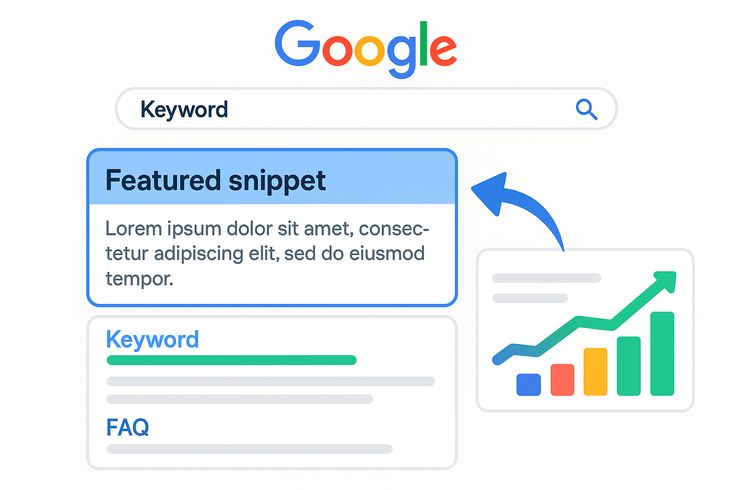
Write for Featured Snippets.
Featured snippets may be interpreted as voice search answers by search engines. The more clear, concise and informative your content is, the more likely you are to be in one of those high-traffic positions. A competent Digital Marketing Strategist sets up content in a way that has headings, bullets, and answers to the common questions.
Improve Website Speed
Quickly loading websites offer greater consumer experience and better search engine rankings. Optimising images, stripping down unnecessary scripts, enabling browser caching, and ensuring reliable hosting helps to improve performance. The speed of a website is a key element in any good digital marketing strategy.
Prioritize mobile optimization for your website. Optimize your site for mobile
Most people do voice searches on their phones. So, it’s really important that websites can adapt to different screen sizes. A Digital Marketing Strategist is in charge of making sure websites work well on mobile devices, are easy to use, and follow Google’s rules for mobile-friendly sites. This means they have to make sure the website looks good and is easy to navigate, no matter what device you’re using. By doing this, they can help improve the website’s visibility and make it more user-friendly.
Optimize Local SEO
There are a lot of voice searches that feature questions such as “near me” or “closest.” Optimising their Google Business Profile, ensuring their contact information is correct and asking for customer reviews are all areas businesses need to focus on. A Digital Marketing Strategist enhances the visibility of location-based voice search by optimizing local SEO.
Use Structured Data
Schema markup assists search engines in comprehending website content better. Structured data enhances the likelihood of rich results and voice search answers. All good Digital Marketing Strategists know how important structured data is in today’s SEO.
The best practices for voice search are as follows:Voice search best practices include:
To be successful with voice search optimization:
Use a conversational, natural writing style..?
* Use question-based headings.
* Include long-tail keywords.
* Improve the loading time of pages.
* Improve mobile usability.
Incorporate structured data markup.
Maintain up-to-date business information.
Create and publish quality, informative content regularly.
A Digital Marketing Strategist brings all these practices together to produce a steady-flowing Digital Marketing SEO Strategy.

The World of Voice Search is coming. Voice Search – The Future is here.
Conclusion
In today’s world, optimizing for voice search is a crucial part of any search engine optimization strategy. As more and more people use voice search to find what they’re looking for, businesses need to adapt their digital marketing plans to stay visible. This means using keywords that sound like natural conversation, making sure your website is easy to use on mobile devices, and including location-based information to attract local customers. Additionally, having a fast website, using structured data to help search engines understand your content, and creating valuable and relevant information are all important factors. By focusing on these areas, companies can improve their search engine rankings and attract more qualified visitors to their website. This, in turn, can lead to more sales, more engagement, and a stronger online presence. With the rise of voice search, it’s essential for businesses to stay ahead of the curve and make sure their digital marketing strategies are up to date. By doing so, they can reach more customers, drive more traffic to their website, and ultimately, achieve their online goals.
To stay ahead in the game, it’s crucial to work with a seasoned Digital Marketing Strategist who can help your company thrive in the future of search. With voice-centric technology taking over the digital landscape, having the right voice search optimization strategy in place can make all the difference. This can help increase your online visibility, making it easier for customers to find you. It can also improve the overall user experience, attracting high-quality leads and driving long-term digital growth. By optimizing for voice search, you can set your business up for success and stay competitive in a rapidly changing online environment.
Frequently Asked Questions (FAQs)
Voice Search Optimization refers to optimizing a website to show up in voice search results, using a smartphone, smart speaker, or virtual assistant. A Digital Marketing Strategist optimizes content for voice search by leveraging conversational keywords, structured content, and SEO best practices.
Voice search is becoming increasingly popular as users seek quick and convenient answers. By optimizing for voice search, businesses can boost their online presence, reach their target audience, enhance user experience, and gain a competitive edge. Digital Marketing Strategist is a candidate who helps create voice search strategies that match the evolution of user behavior.
A Digital Marketing Strategist optimizes for voice search by identifying long-tail keywords, developing FAQ pages, extracting relevant information for featured snippets, improving website speed, adding structured data, and making sure the website is optimized for mobile devices.